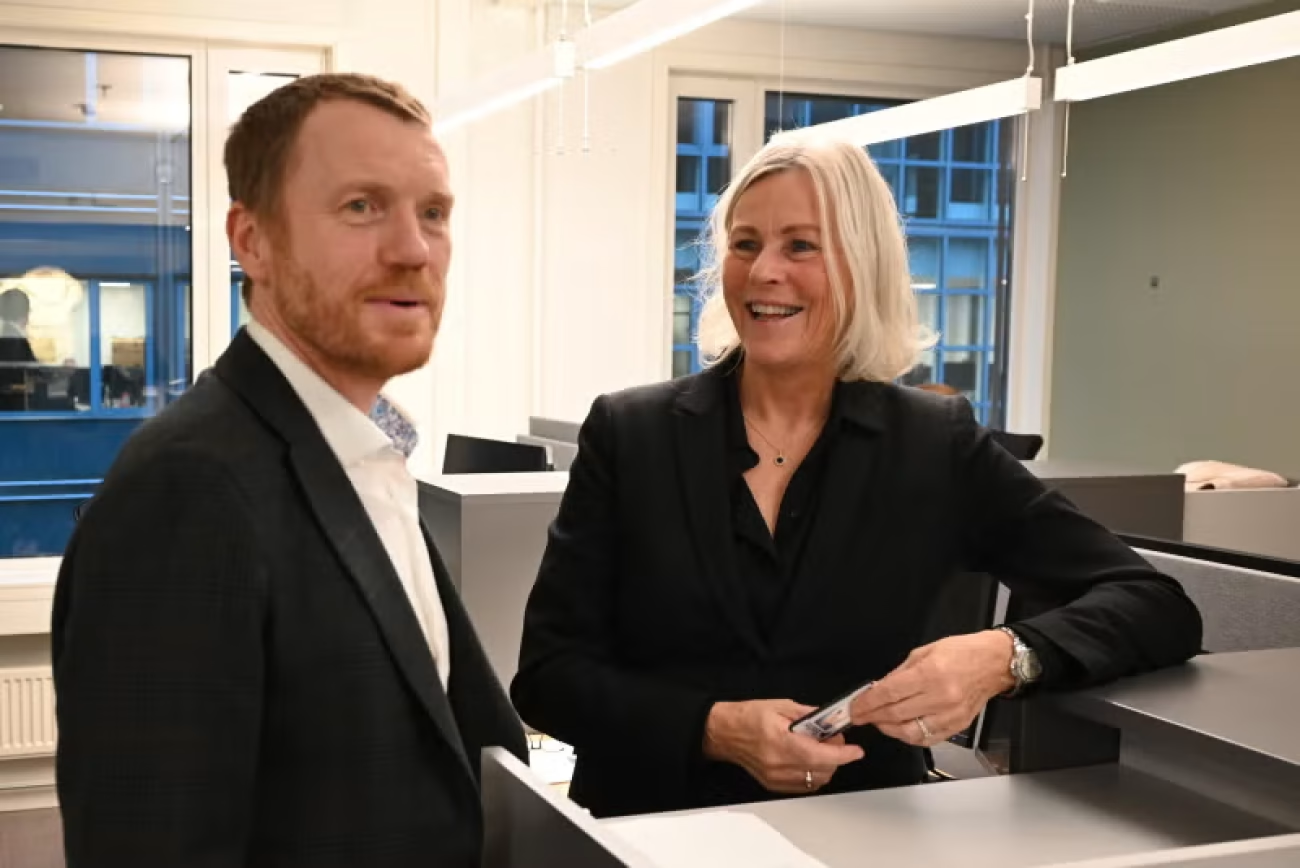
This article is based on an interview with CEO Tone Lunde Bakker and Director of SMEs Ivar Rekve, first published in Intrafish on January 26. The article is reproduced in its entirety with permission.
State‑owned Eksfin has an exposure of 12 billion kroner to the seafood industry and is happy to provide more funding
Summary of the Article
- Eksfin has an exposure of 12 billion kroner to the seafood sector and is willing to finance more.
- Eksfin collaborates with banks to expand financing capacity for seafood projects, including land‑based aquaculture and fishing vessels.
- Eksfin carefully evaluates projects with a focus on sustainability and ethics, and has rejected projects that may violate human rights.
While parts of the state focus on collecting taxes and fees from the aquaculture industry, others stand ready to finance it.
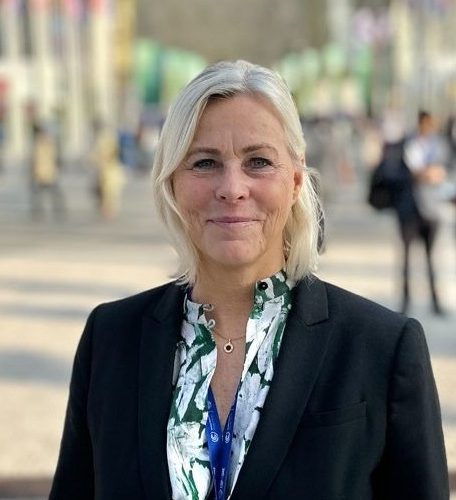
“Not everyone knows us very well, but we have good opportunities to step in and reduce banks’ risk, allowing them to provide more financing,” says Lunde Bakker
Tone Lunde Bakker has a long career in the Norwegian banking sector, where she has held several top executive roles. She is now the CEO of the state‑owned Export Finance Norway (Eksfin). Recently she invited Intrafish for a visit to spread the good news.
After 2017, we received a mandate that allows us to also finance Norwegian companies that produce for export. That enabled us to contribute much more to the aquaculture industry in Norway,” says Lunde Bakker.
Some of the projects Eksfin helps finance include:
- Aquaculture (land‑based, closed, and offshore)
- New species such as cod and halibut
- Wellboats
- Fishing vessels
“In the seafood sector we have an exposure of 12 billion kroner,” says Lunde Bakker.
This is a tenfold increase since 2015. The largest segment is fishing vessels (5 billion kroner), followed by land‑based aquaculture in Norway and abroad (3 billion kroner).
Among the customers in the sector are Gigante Salmon, Rostein, Nordlaks, Vesterålen Havbruk and Akva Group.
Always with a Bank
Eksfin provides financing on market terms in cooperation with banks.
The model is typically that the bank(s) and Eksfin split the lending need, often 50/50. The bank acts as the agent in a syndicated loan, so the customer primarily deals with the bank. Pricing generally follows the bank’s rates.
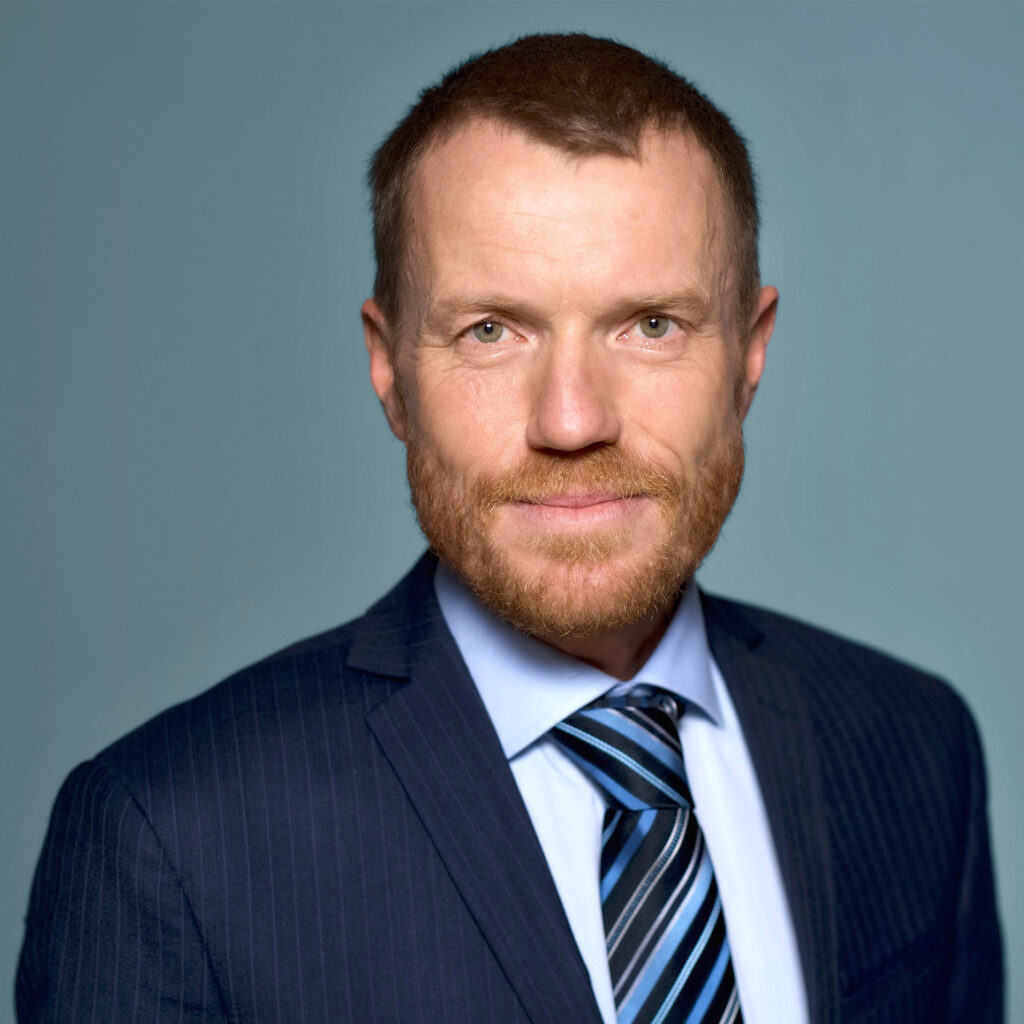
“Our mantra is that we expand banks’ financing capacity so they can supply more financing to the market,” says Ivar Rekve, Director of Ocean Industries and SMEs, says Ivar Rekve.
Some customers have financing for deliveries both in Norway and abroad.
“Take Akva Group, for example. We have contributed to projects they have delivered in Norway and abroad, such as the facility the company built in China for Nordic Aqua Partners,” says Rekve.
Opportunities on Land
Eksfin can contribute to the financing of land‑based projects in Norway as well—because most of the fish is exported.
“Banks that finance these projects often want us to provide additional capacity,” says Lunde Bakker.
She also emphasizes that suppliers deserve more attention.
“There’s a lot of talk about salmon producers and the export value of salmon. We also want to highlight the suppliers that deliver into the industry,” says Lunde Bakker.
Ethical Frameworks
Eksfin does not want to specify the losses they have taken on seafood loans in recent years, but says it is “very little,” and mainly related to small engagements.
“We always conduct thorough assessments and reject quite a few,” says Lunde Bakker.
She stresses that they evaluate sustainability across multiple dimensions.
“For example, we received a request related to the Saudi Arabian giga‑project NEOM. Based on concerns about possible human rights violations, we took a negative stance and could not proceed with the case,” says Lunde Bakker.
Salmon Evolution: – Very Satisfied
Among those who have borrowed money from Eksfin is the land‑based company Salmon Evolution outside Molde.
“We are very satisfied with the strong cooperation we have had with Eksfin over many years. They have played an important role in financing both phase 1 and 2 of our groundbreaking project at Indre Harøy, and had a crucial role as guarantor in the first financing package connected to the project,” writes CFO Trond Vadset Veibust in a comment to Intrafish.
Reproduction
The story was first published in Intrafish January 26, 2026.
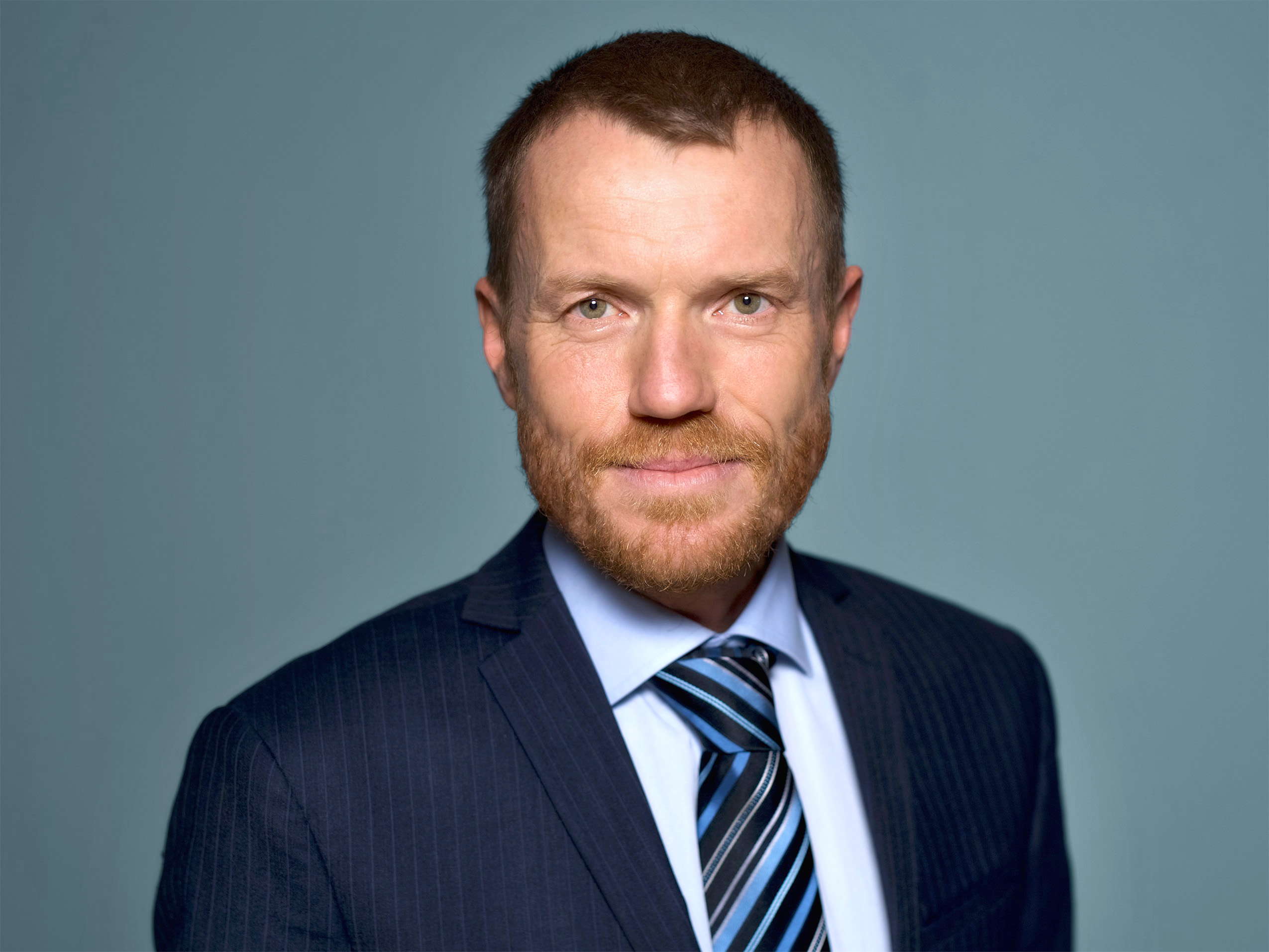
Head of Ocean Industries and SME
Read more about: